Consistency is a systems question, not a memory question. Teams lose consistency when they expect people to “just remember” the same visual choices every time. That works briefly, then breaks as soon as deadlines tighten or multiple contributors touch the work.
The fix is not more vigilance. It is a clearer stack of repeatable rules. Once the system is explicit, consistency becomes easier to sustain without making the output feel repetitive.
Decide what must stay fixed
Not every design choice deserves to be standardized. Start with the parts that create recognition: type hierarchy, spacing logic, image treatment, headline behavior, and how supporting copy appears. These are the high-leverage cues that keep a sequence feeling branded even when the topic changes.
A useful way to think about this is to define “non-negotiables” and “variables.” Non-negotiables protect recognition. Variables protect freshness.
Consistency is not sameness
Many teams over-correct and make every carousel nearly identical. That produces compliance, but not a strong feed. The goal is to keep the logic stable while letting the framing evolve.
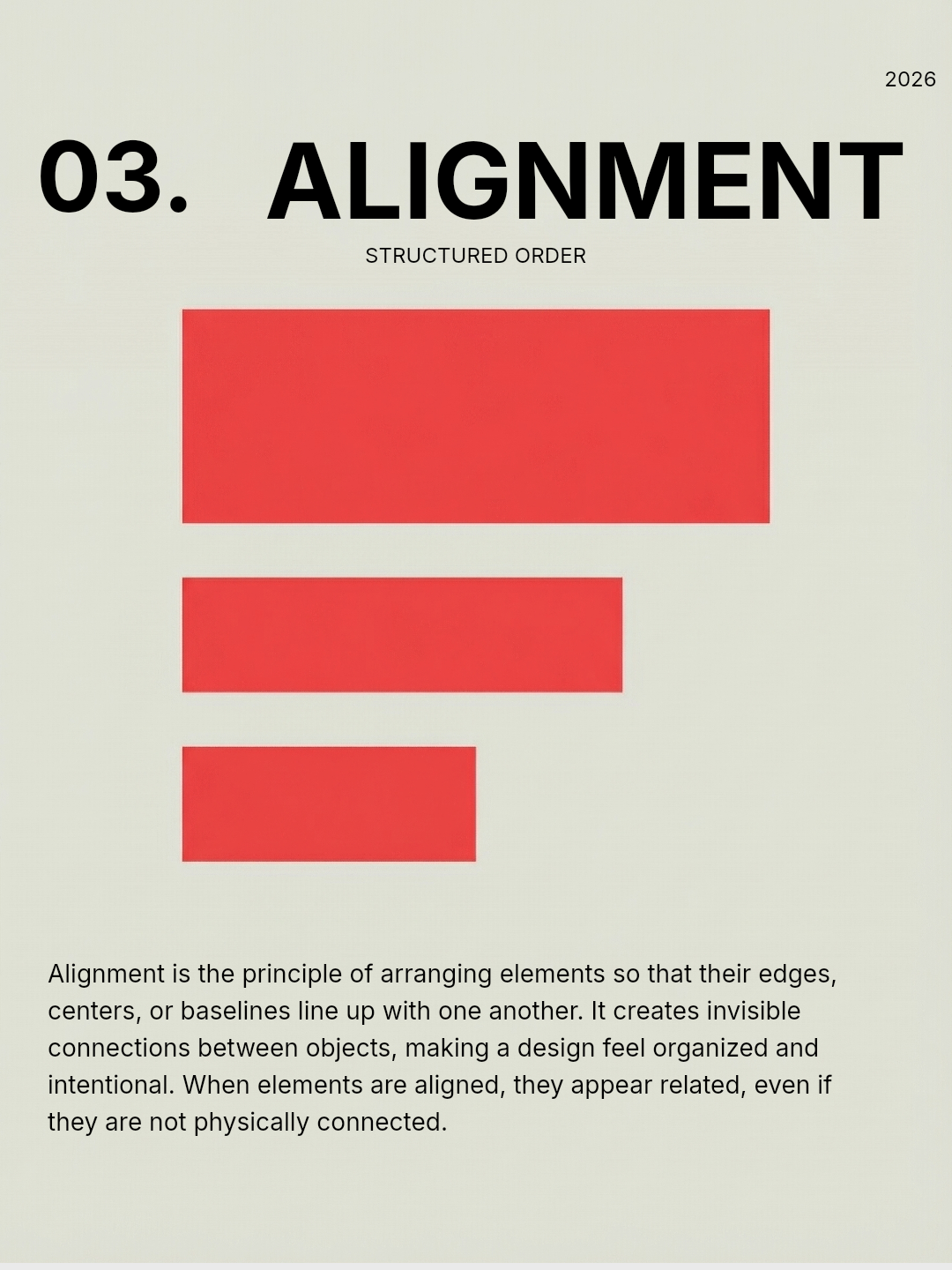
For example, you might always keep the headline in one zone, the body copy at one width, and the imagery in a defined treatment. But the crop, tone, and composition can shift based on the story. That is how campaign-like repetition works without becoming visually dead.
Document the rules where the work happens
A lot of “brand inconsistency” happens because the rules live in a brand deck nobody checks during production. Better consistency comes from embedding the rules in the actual workflow: saved components, slide structures, image directions, and content templates.
That is one reason workflow quality matters for visual consistency. If the process is fragmented, the rules are harder to apply at the exact moment they are needed.
Use a consistency QA pass before publishing
Before you export, review the carousel at two levels:
- Slide level: is each slide readable, balanced, and visually controlled?
- Sequence level: does the post still feel like one world from start to finish?
This second check is where drift is easiest to catch. Often the issue is not one bad slide. It is a slide that quietly breaks the rhythm or tone of the whole set.
What to standardize first
If you are building a system from scratch, start with these elements:
- Cover-slide headline pattern
- H1/H2/support-copy scale relationship
- Body-copy width and spacing rules
- Image treatment and cropping behavior
- CTA placement or closing-slide format
That is enough structure to create consistency without freezing the whole design language.
FAQ
How often should a carousel system be updated?
Only when there is a strategic reason. Frequent cosmetic changes usually reduce recognition. A better system evolves slowly and intentionally.
What is the difference between a template and a system?
A template is one artifact. A system is the set of decisions that can generate many strong artifacts without starting from zero.
Final takeaway
Consistency is what happens when the repeatable choices are explicit. You do not get it by trying harder to remember yesterday’s decisions. You get it by making the right rules easy to reuse and easy to protect.
Leya helps keep those rules close to the work so the brand world stays intact even when the topics, angles, and layouts continue to evolve.